


What to Check Before Choosing a Home Furnishing Store in Bangalore
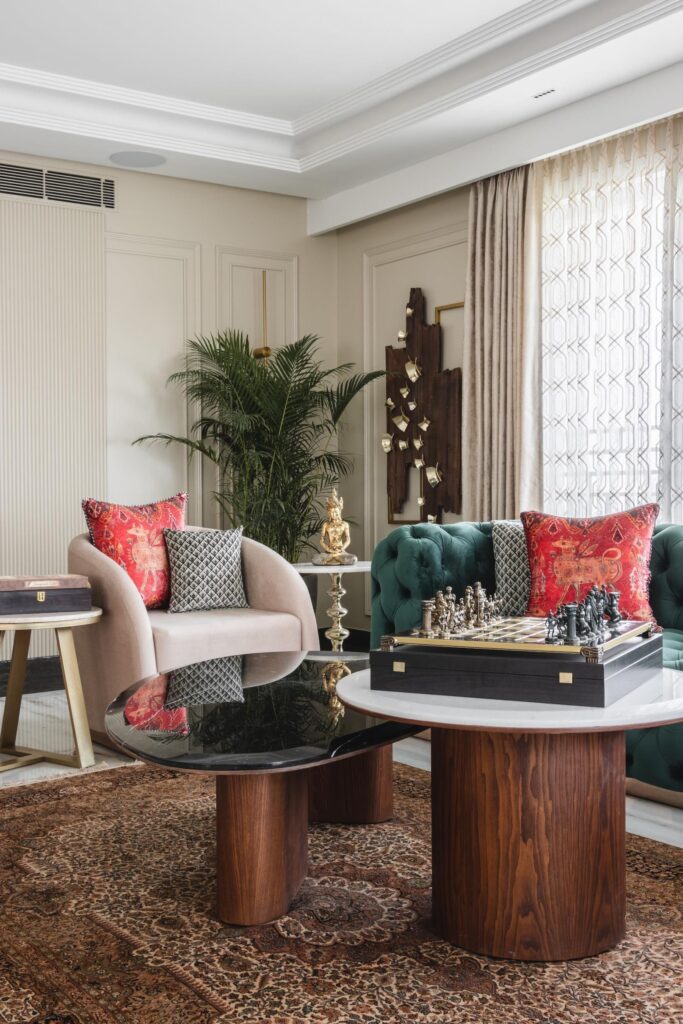
What to Check Before Choosing a Home Furnishing Store in Bangalore November 6, 2026 homesbykosen.in You walk into a furnishing store looking for curtains. An hour later, you’re comparing upholstery fabrics, looking at wallpapers and wondering whether the rug you liked will actually suit your living room. Shopping for home furnishings can be enjoyable, but making the right decisions isn’t always easy. A fabric may look beautiful under showroom lighting but appear completely different in your apartment. A curtain design might suit your furniture but fail to block afternoon sunlight. And a low quotation may not include stitching, installation or other essential details. That’s why choosing the right Home Furnishing Store in Bangalore matters just as much as choosing the products themselves. Whether you’re furnishing a new apartment or updating a few rooms, here are the things worth checking before making a purchase. 1. Does the Store Offer the Furnishings You Actually Need? Before visiting a showroom, make a list of what you’re planning to buy. You might need curtains for the bedrooms, blinds for a study, a rug for the living room and new cushions for the sofa. Some stores focus on specific categories, while others offer a broader range of home furnishings. A wider selection can make it easier to coordinate colours, materials and textures across different rooms. For example, if you’re choosing curtains and upholstery fabric together, seeing both samples in the same place can help you avoid mismatched tones. Home by Kosene offers a range of home furnishing categories, including curtains, blinds, wallpapers, upholstery, carpets, cushions and bedding. You can explore the home furnishing product collections to understand the available categories before planning your visit. However, don’t assume every item displayed online is immediately available. Ask about current stock, ordering options and delivery timelines. 2. Can You Examine the Materials in Person? Product photographs are helpful, but they don’t tell you everything. A sofa fabric may look smooth in a photograph but feel rough when touched. A curtain that appears thick when folded may allow considerable light through when held against a window. Visiting a showroom allows you to examine the material more closely. What Should You Check in Curtain Fabrics? Look at the fabric’s weight, weave and texture. Hold it against a light source to see how much daylight passes through. Ask whether it requires lining and whether the material is suitable for your room’s sunlight exposure. If you’re considering curtains for your Bangalore home, compare more than one material before deciding. What About Upholstery? For sofas and chairs, appearance is only part of the decision. Ask about the fabric composition, cleaning method and suitability for frequent use. Some upholstery materials are designed to withstand heavier wear than others. If the store provides performance information, check whether it relates to abrasion, pilling, colourfastness or another specific property. You can browse different upholstery options to get an idea of the textures and finishes available. Practical tip: If possible, take a fabric sample home and examine it in natural daylight and under your room’s evening lighting. 3. Does the Store Understand Bangalore Apartment Requirements? Not every home has the same furnishing needs. A west-facing apartment may receive strong afternoon sunlight, while a flat on a lower floor might need greater daytime privacy. Homes near busy roads or active construction sites may also require more frequent fabric cleaning. A good furnishing consultation should consider these everyday conditions. For instance, a delicate decorative curtain might look attractive in a sample book but be inconvenient for a kitchen window exposed to cooking residue. Similarly, a thick rug may add warmth to a room but require more cleaning than a flatter, low-pile design. When discussing your requirements, explain: Which rooms you’re furnishing. How much sunlight each room receives. Whether you have children or pets. How frequently the space is used. Whether easy cleaning is a priority. Your preferred colours and overall budget. The store should help you compare suitable materials rather than recommending the same product for every room. 4. Are Custom Measurements and Fitting Options Available? Ready-made furnishings can be convenient, but they don’t always fit a space properly. This is especially true for window coverings. Curtains that are too short can look unfinished. Curtains with insufficient fabric width may not form attractive folds or close properly. Poorly measured blinds can interfere with window handles or leave unwanted gaps around the opening. If you’re considering made-to-measure products, ask how measurements are taken and who is responsible for confirming them. Questions Worth Asking Does the store offer a measurement service? Are measurements taken before or after you select the fabric? What happens if the finished product doesn’t fit the agreed dimensions? Also ask whether installation is included or arranged separately. For more guidance, read Home by Kosene’s article on customized blinds and curtains in Bangalore. Customisation is useful when it solves a practical problem. It shouldn’t simply mean paying more for a product without understanding what’s included. 5. Does the Store Offer Design Guidance Without Pushing Expensive Products? Not everyone has an interior designer helping with furnishing decisions. You may know that you want a calm, modern living room but still be uncertain about whether beige curtains, textured wallpaper or a patterned rug would work together. A helpful showroom consultant should explain your options in a way that makes the decision easier. For example, if your sofa already has a bold pattern, the consultant might suggest simpler curtains or a rug with a more restrained design. If your room has limited natural light, they may help you compare lighter materials and colours. The goal should be to find products that suit the room, not necessarily the most expensive collection. Before visiting, carry photographs of your existing furniture, wall colours and flooring. If you’re furnishing several rooms, create a simple list of what you already own and what you’re replacing. This helps avoid buying individual pieces that look good separately but don’t work together. 6. Can You Understand the Complete Price
Choosing Curtains for West-Facing Windows in Bangalore

Choosing Curtains for West-Facing Windows in Bangalore November 3, 2026 homesbykosen.in It’s 3:30 in the afternoon. Your living room looked perfectly comfortable in the morning, but now sunlight is coming directly through the windows. The television screen is difficult to see, the sofa feels warm, and closing the curtains makes the entire room darker than you’d like. If this sounds familiar, your apartment probably has west-facing windows. In Bangalore, west-facing rooms can receive strong direct sunlight during the afternoon and early evening. Even when the outdoor weather feels pleasant, sunlight passing through large glass windows can create uncomfortable glare and contribute to indoor heat. Curtains can help, but choosing the right ones involves more than picking a thick fabric. If you’ve been searching for a curtain shop near me, it’s worth understanding how curtain materials, lining and installation affect the comfort of a west-facing room before choosing a design. Why Do West-Facing Windows Need Special Attention? East-facing windows receive direct sunlight mainly during the morning. West-facing windows receive it later in the day, when outdoor temperatures and building surfaces may already have warmed up. The amount of sunlight entering a room depends on several factors, including the season, surrounding buildings, window dimensions, shading and the type of glass installed. In a west-facing Bangalore apartment, you may notice: Strong sunlight entering the room during the afternoon. Glare on televisions, laptops and other screens. Increased warmth near windows and glass balcony doors. Fading of furniture fabrics, rugs and other materials over time. Difficulty maintaining privacy while keeping the room bright. A lightweight decorative curtain may soften the appearance of sunlight without blocking much of its heat. On the other hand, a heavy blackout curtain may provide strong light reduction but leave the room too dark for daytime activities. The right solution depends on how you use the room. 1. Start With the Purpose of the Room Before comparing curtain fabrics, think about what happens in the room during the afternoon. Living Rooms Need Flexible Light Control A living room may be used for television, reading, entertaining guests and relaxing. You probably don’t want to keep it dark throughout the afternoon simply to reduce glare. A layered curtain arrangement can be useful here. Sheer curtains soften daylight and provide a light, airy appearance. Heavier curtains can be drawn when direct sunlight becomes uncomfortable. This arrangement gives you greater flexibility than relying on one fabric throughout the day. Bedrooms May Need Stronger Light Blocking A west-facing bedroom may become uncomfortable during the late afternoon, particularly if sunlight falls directly on the bed or surrounding furniture. Curtains with suitable blackout or thermal lining can help reduce incoming light and solar heat gain. However, blackout fabric doesn’t automatically make a room cooler. Its performance depends on the fabric construction, colour, fit and window conditions. Home Offices Need Glare Control If you work near a west-facing window, screen glare can become frustrating. A curtain that filters daylight may help maintain a comfortable working environment without creating complete darkness. For rooms used for video calls or computer work, consider whether the curtain can be adjusted during different parts of the afternoon. 2. Which Curtain Fabrics Work Best for West-Facing Windows? Curtain fabric affects the appearance of a room, but its weave, weight and lining also influence how much light passes through. There isn’t one perfect material for every west-facing window. Cotton Curtains Cotton curtains are available in different weights and weaves. Lightweight cotton can create a casual, comfortable appearance, but it may allow considerable sunlight through. Heavier cotton or cotton curtains with suitable lining can provide better light control. Some cotton fabrics may also fade or shrink depending on their finish and washing conditions. If you prefer cotton, check the manufacturer’s care instructions and consider whether lining is necessary. Linen and Linen-Blend Curtains Linen has a natural texture that suits contemporary and understated interiors. Its slightly irregular weave gives curtains a relaxed appearance. However, lightweight linen is generally more suitable for filtering daylight than significantly blocking it. For west-facing windows receiving strong sunlight, lined linen or a suitable linen-blend fabric may be a better choice. Polyester and Blended Fabrics Polyester curtains are available in a broad range of finishes, weights and textures. Certain polyester fabrics offer good dimensional stability and resistance to creasing. Some are also manufactured with light-blocking properties. However, not all polyester curtains perform the same way. Their suitability depends on the weave, coating, construction and lining. When comparing materials, ask to see how the fabric behaves when held against a strong light source. For a closer look at common curtain materials, read Home by Kosene’s guide to the best curtain fabrics for Bangalore homes. 3. Should You Choose Blackout or Light-Filtering Curtains? One of the most important decisions for a west-facing window is how much daylight you want to block. Light-Filtering Curtains Light-filtering curtains allow some natural light to enter while softening its intensity. They are useful in living rooms where you want daylight without an entirely uncovered window. However, many light-filtering fabrics offer limited protection against strong afternoon glare. Their ability to reduce heat also varies considerably. Blackout Curtains Blackout curtains are made with fabrics or linings designed to block a high proportion of visible light. They are particularly useful in bedrooms, media rooms and spaces where strong sunlight interferes with daily activities. It’s important to understand that blackout describes light-blocking performance, not a guaranteed reduction in room temperature. Also, light can still enter through gaps around the sides, top and bottom of the curtains. Thermal or Solar-Control Curtains Certain curtain linings are designed to help reduce heat transfer or solar heat gain. Their performance varies by construction, colour and installation. A suitable light-coloured backing can reflect more incoming solar radiation than some darker surfaces. However, curtains are an interior window treatment. External shading and appropriately specified glazing may be more effective at stopping solar heat before it enters a room. Practical recommendation: For a west-facing living room, consider sheer or light-filtering curtains
Roman, Roller and Zebra Blinds: Differences and Best Uses

Roman, Roller and Zebra Blinds: Differences and Best Uses October 31, 2026 homesbykosen.in A window blind might seem like a small detail when you’re furnishing a home. But once it’s installed, you’ll probably use it every day. It affects how much sunlight enters the room, how easily you can see outside and how comfortable the space feels. The tricky part is choosing the right type. Roman blinds look soft and decorative. Roller blinds have a simple, streamlined design. Zebra blinds combine alternating fabric sections that let you adjust daylight without raising the entire blind. All three can work beautifully in a modern home, but they’re not interchangeable. If you’re deciding between Roman, roller and zebra blinds for your Bangalore apartment, this guide explains how each one works, where it performs best and what you should consider before buying. What Is the Difference Between Roman, Roller and Zebra Blinds? The biggest difference is how the fabric moves and how you control light. Roman Blinds: Soft Fabric That Folds Upward Roman blinds are made from fabric that forms horizontal folds as the blind is raised. Unlike ordinary curtains, they don’t hang in separate panels. Instead, the fabric gathers neatly toward the top of the window. This gives Roman blinds a softer, more decorative appearance than many other blind styles. They are particularly attractive in bedrooms, living rooms and dining areas where the window covering is part of the interior design. The fabric, lining and construction determine how much light passes through. One thing to remember is that Roman blinds form a stack of folded fabric when opened. This stack occupies space near the top of the window. Roller Blinds: A Simple, Compact Window Covering Roller blinds use a single piece of fabric that rolls around a tube, usually fitted above the window or within its recess. When raised, the fabric rolls up rather than forming folds. This makes roller blinds a practical choice for rooms where homeowners prefer clean lines and minimal visual clutter. They are available with different fabric properties, including light-filtering, sunscreen and blackout options. Depending on the chosen material, roller blinds can soften daylight, reduce glare or provide substantial room darkening. Zebra Blinds: Alternating Sheer and Opaque Fabric Bands Zebra blinds, also called day-and-night or dual-layer blinds, use alternating bands of translucent and more opaque fabric. The fabric passes through a double-layer arrangement. As the blind moves, the bands shift relative to each other. When the translucent sections align, more daylight passes through. When the opaque sections overlap the translucent bands, the blind provides greater visual screening. This allows you to adjust light without necessarily raising the entire blind. However, standard zebra blinds are not automatically blackout blinds. Their performance depends on fabric opacity, alignment and installation. Homeowners exploring zebra blinds in Bangalore should pay particular attention to the available fabric options and how the blind performs when fully closed. 1. Which Blinds Offer Better Light Control? Light control is one of the main reasons people choose blinds over conventional curtains. But the three styles handle daylight differently. Roman Blinds Roman blinds generally control light by being raised or lowered. A sheer or lightweight fabric allows more daylight through, while a thicker or blackout-lined fabric can reduce it significantly. However, Roman blinds don’t usually offer the same intermediate light adjustment as zebra blinds. You need to change the amount of the window being covered. Roller Blinds Roller blinds provide straightforward control. Lower the blind to cover the window, or raise it to admit more light. The fabric determines how much daylight comes through while the blind is lowered. Sunscreen roller blinds can reduce glare while retaining some outward visibility during the day. Blackout roller blinds are designed for stronger light blocking, although gaps around the installation may still allow light to enter. For a more detailed explanation, read the guide on blackout vs sunscreen roller blinds for Bangalore homes. Zebra Blinds Zebra blinds offer an additional way to adjust daylight. Instead of simply raising or lowering the fabric, you can change the alignment of the translucent and opaque bands. This is useful when sunlight becomes uncomfortable during certain hours but you don’t want to completely uncover the window. Which is better? Zebra blinds are especially convenient for adjustable daytime light control. Roller blinds are straightforward when you want a particular level of filtering or darkness. Roman blinds are a good choice when the appearance of the fabric is equally important. 2. Which Is Better for Privacy? Privacy is especially important in apartment buildings where windows face neighbouring towers, shared balconies or busy streets. All three blind styles can help, but their effectiveness depends on the fabric and installation. Roman blinds: Opaque or suitably lined Roman blinds generally provide good privacy when fully lowered. Lightweight fabrics may still reveal silhouettes, particularly when the room is brightly lit at night. Roller blinds: Opaque roller blinds provide effective visual screening when lowered. Sunscreen roller blinds may allow people outside to see into an illuminated room after dark. Zebra blinds: Zebra blinds offer different levels of screening by changing the band alignment. But depending on the material, some light and visibility may remain even when the opaque bands overlap. For bedrooms facing nearby buildings, opaque roller blinds or lined Roman blinds may offer more dependable privacy. Zebra blinds can work well in living rooms where flexible daytime privacy is the main requirement. Before choosing, examine a sample with light behind it. A fabric that looks opaque in a showroom may behave differently when the room is illuminated. 3. Which Blinds Look Better in a Living Room? This depends largely on the interior style. A living room with upholstered furniture, warm lighting and layered textures may benefit from Roman blinds. Their fabric folds bring a softer appearance to the window. Roller blinds suit contemporary interiors where the emphasis is on clean walls, simple furniture and an uncluttered look. When raised, they occupy comparatively little space around the window. Zebra blinds offer a distinctive
Wooden Flooring vs Vinyl Flooring: A Buyer’s Comparison
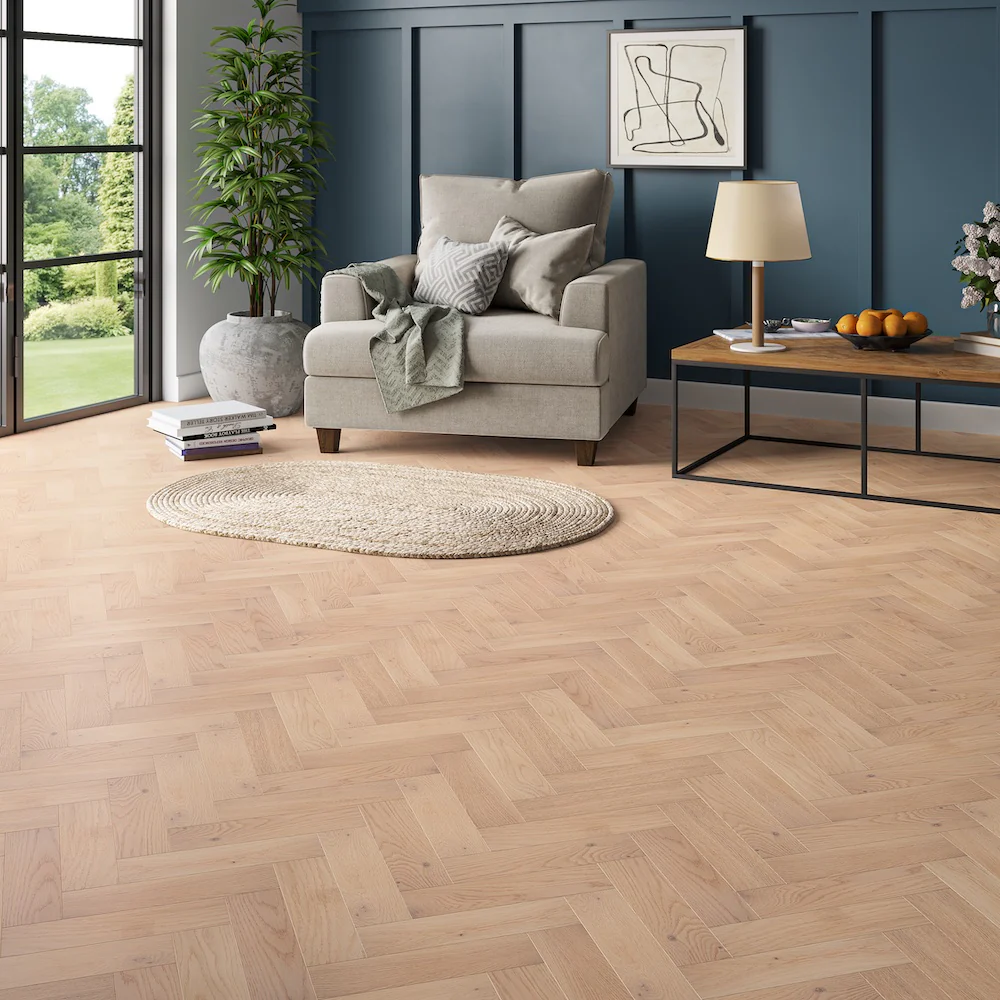
Wooden Flooring vs Vinyl Flooring: A Buyer’s Comparison October 26, 2026 homesbykosen.in You’ve decided to replace your old flooring. You want something warmer than tiles, comfortable to walk on and attractive enough to complement your furniture. Wooden flooring looks appealing, but vinyl flooring seems easier to maintain. So which one should you choose? Both can transform a room, but they’re made differently and behave differently over time. Wooden flooring offers the natural grain and character of timber. Vinyl flooring is a manufactured alternative that can reproduce a wood-like appearance while providing practical advantages in certain spaces. For homeowners considering wooden flooring in Bangalore, the decision should go beyond appearance. Daily foot traffic, moisture exposure, cleaning habits, installation conditions and the available budget all matter. Here’s what you need to understand before making your choice. Understanding Wooden and Vinyl Flooring Before comparing the two, it’s worth knowing what you’re actually buying. What Is Wooden Flooring? Wooden flooring is generally available in two main forms. Solid hardwood flooring is made from a single piece of timber. It offers natural grain variation and may be sanded and refinished multiple times, depending on the board’s thickness and condition. Engineered wood flooring has a genuine wood surface over a layered core. Its construction generally makes it more dimensionally stable than solid timber, although it still requires protection from excessive moisture. For homeowners exploring engineered wood flooring in Bangalore, it’s important to examine the thickness of the real wood surface, core construction and recommended installation method. What Is Vinyl Flooring? Vinyl flooring is manufactured primarily using synthetic materials, commonly PVC-based layers. It comes in several forms, including sheets, tiles and planks. Luxury vinyl planks, commonly called LVP, are designed to replicate wooden floorboards. Some rigid-core vinyl products are marketed as SPC flooring, which uses a mineral-filled composite core. Unlike genuine wood, vinyl doesn’t have natural timber grain running through the material. Its appearance is created through decorative layers and surface textures. Good-quality vinyl can look convincing, particularly from a normal viewing distance, but its physical characteristics remain different from real timber. 1. Appearance: Natural Wood or a Wood-Look Finish? This is usually the first difference buyers notice. Wooden flooring has natural variations in colour, grain and texture. Even boards made from the same timber species may look slightly different. These variations give wooden floors their character. For a spacious living room with neutral furniture, genuine wood can create an inviting and sophisticated finish. Vinyl flooring offers greater visual consistency. Manufacturers can reproduce different wood tones, plank patterns and textures. It can be useful when you want a particular shade throughout the room without significant natural variations. However, some vinyl collections repeat the same printed patterns across multiple planks. This may become noticeable across larger floor areas. What should you check? Don’t decide from a single showroom sample. Ask to see several planks together so you can understand the overall pattern and colour variation. For a naturally distinctive timber finish, wooden flooring has an advantage. For predictable colour and design consistency, vinyl can be a practical alternative. 2. Durability: Which Flooring Handles Daily Use Better? Durability depends on the product specification, not simply whether the flooring is wooden or vinyl. A bedroom used mainly in the mornings and evenings experiences different wear from a living room where children play, furniture moves and people walk throughout the day. Wooden Flooring Wooden floors can last for many years when properly installed and maintained. However, timber can develop scratches, dents and surface wear. The hardness of the wood species and the quality of the protective finish affect how well it handles everyday activity. One advantage of certain wooden floors is that they can be refinished to restore their appearance. With engineered wood, refinishing depends on the thickness of the genuine wood surface and the manufacturer’s recommendations. Vinyl Flooring Vinyl flooring has a protective wear layer designed to handle everyday use. The thickness and performance of this layer vary between products. Suitable high-quality vinyl can resist routine wear well, making it attractive for active households. However, vinyl isn’t scratchproof. Sharp objects, dragged furniture and trapped grit can still damage its surface. Unlike solid hardwood, vinyl flooring generally cannot be sanded and refinished. Damaged planks may need replacement, depending on the flooring system. Which is better? For buyers who value a natural material and possible future refinishing, wood has an advantage. For households looking for a practical manufactured surface with straightforward daily care, suitable vinyl flooring may be preferable. 3. Water Resistance: An Important Difference Imagine someone spills water near the dining table. If the spill is cleaned immediately, either flooring may handle the incident without damage, depending on its construction and condition. The concern is what happens when moisture remains on or underneath the floor. Wood naturally reacts to moisture. Prolonged exposure can cause swelling, cupping, staining or movement between boards. Engineered wood is generally more dimensionally stable than solid timber, but it isn’t automatically waterproof. Vinyl itself is typically highly resistant to water, and some vinyl products are marketed as waterproof. That doesn’t mean the entire installed floor can tolerate flooding. Water can still reach the subfloor through joints, edges or perimeter gaps. Trapped moisture may cause problems beneath the flooring. This matters in Bangalore homes during the monsoon, especially where windows are regularly left open or existing floors have moisture problems. Practical recommendation: For dry living rooms and bedrooms, either material may work well. For locations where spills or occasional moisture exposure are more likely, suitably specified vinyl may offer an advantage. Neither should be installed over an unresolved damp or leaking subfloor. 4. Which Flooring Is Easier to Clean? Nobody wants a beautiful floor that requires constant attention. Fortunately, both wooden and vinyl flooring can be maintained with regular sweeping or vacuuming. Wooden floors usually require a slightly more careful cleaning routine. Excess water should be avoided, and cleaning products must be compatible with the floor’s finish. A lightly dampened mop may be suitable when recommended by
Wallpaper Price in Bangalore: What Affects a Custom Quote?
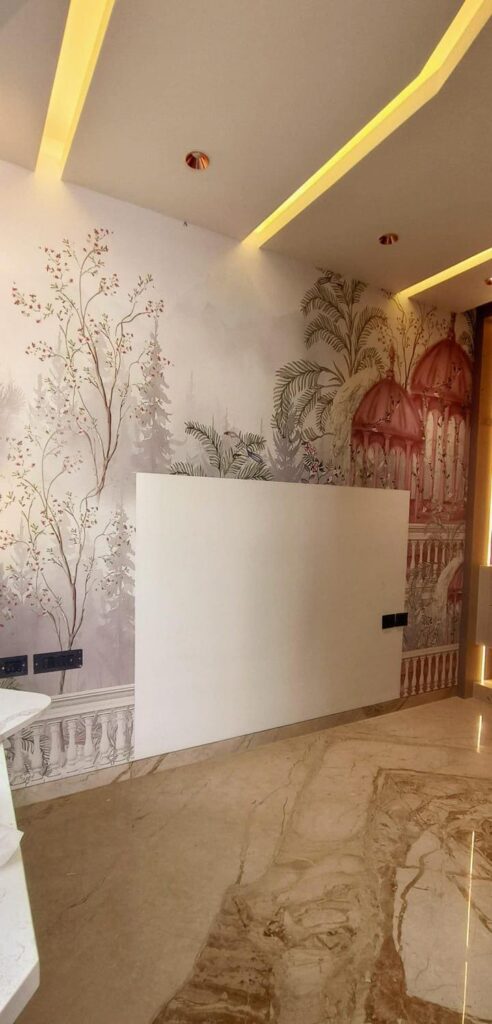
Wallpaper Price in Bangalore: What Affects a Custom Quote? October 19, 2026 homesbykosen.in You find a wallpaper design you love, enquire about the price, and receive a quote that’s higher than expected. Or perhaps two showrooms give you completely different estimates for what appears to be the same wall. This happens because wallpaper pricing involves more than choosing a design and measuring the wall. The material, roll dimensions, pattern alignment, surface condition and installation requirements all influence the amount you eventually pay. If you’ve been comparing wallpaper price bangalore options, understanding these details can help you avoid unexpected expenses and make a better decision. Let’s look at what actually goes into a custom wallpaper quotation and what you should check before placing an order. Why Don’t Wallpaper Showrooms Give One Fixed Price? Wallpaper isn’t quite like buying a tin of paint. Two homeowners with identical wall dimensions might need different quantities of material, even when they choose wallpapers from the same collection. For example, one person may prefer a plain textured design with no complicated pattern alignment. Another might select a large botanical print where every panel needs to match the next. Both walls have the same surface area, but the second design could require additional material and installation time. A complete wallpaper quote generally depends on: The type and quality of wallpaper The size and shape of the wall Roll dimensions and pattern repeat The condition of the existing surface Installation materials and labour Special design or customisation requirements That’s why a quotation based only on square footage may not reflect the final project cost. 1. Wallpaper Material Makes a Difference to the Price The wallpaper material is one of the biggest factors influencing a quote. Different materials offer different textures, appearances, cleaning requirements and installation characteristics. Non-Woven Wallpapers Non-woven wallpapers are commonly chosen for residential interiors because many are dimensionally stable and relatively convenient for professional installation. They are available in plain finishes, subtle textures and printed designs. However, their suitability for cleaning or moisture exposure depends on the specific product’s specifications. Vinyl Wallpapers Vinyl wallpapers have a vinyl surface or coating and are available in various textures and finishes. Certain vinyl wallpapers offer good wipeability, making them useful for frequently occupied spaces. Not every vinyl wallpaper is suitable for every room, though. The manufacturer’s cleaning instructions and recommended installation conditions should always be checked. Textured and Specialty Wallpapers Some wallpapers are designed to resemble fabric, stone, linen, concrete or other decorative finishes. Specialty materials may involve additional manufacturing processes, intricate surface details or specific handling requirements. These factors can affect both the material price and installation quote. When visiting a wallpaper showroom in Bangalore, ask to compare actual samples rather than choosing entirely from photographs. Texture, colour and surface finish can look quite different under natural lighting. 2. Wall Measurements Affect How Much Wallpaper You Need Most people assume that a larger wall simply means a higher price. That’s partly true, but wall measurements involve more than calculating surface area. Consider a wall that’s 10 feet wide and 9 feet high. Its area is: 10 × 9 = 90 square feet This provides a useful starting point, but it doesn’t automatically tell you how many wallpaper rolls are required. Wallpaper is often supplied in rolls of fixed width and length. The installer needs to calculate how many full-height strips can be obtained from each roll. Some material is also used for trimming and aligning patterns. As a result, the quantity ordered can be greater than the wall’s calculated area. What About Windows and Doors? A window or doorway reduces the area that needs covering, but that doesn’t always mean the same amount can be deducted from the material order. Wallpaper strips may still need to be cut around openings. Depending on the layout, the remaining pieces may not be reusable elsewhere. For an accurate quotation, provide the complete wall dimensions along with the position of windows, doors, switches and other interruptions. 3. Pattern Matching Can Increase Material Requirements This is an expense that homeowners often discover only after selecting a design. Not all wallpaper patterns require the same amount of material. A plain wallpaper can be comparatively straightforward to plan because adjoining strips don’t need to form a continuous illustration. A large floral print, geometric design or mural may require careful positioning. Why Pattern Repeat Matters Pattern repeat refers to the distance before a design repeats vertically. Some wallpapers also use offset matching, where adjacent strips need to be positioned at different points in the pattern. Imagine choosing wallpaper with a large leaf design. The installer cannot simply place every strip wherever it fits. The leaves need to connect correctly between adjacent panels. This can produce additional offcuts. A wallpaper with a larger pattern repeat may therefore require more material than a plain design on the same wall. Before approving a quote, ask: Has the required material been calculated using the selected wallpaper’s actual roll size and pattern repeat? This is particularly important for premium prints and custom designs. 4. Does Luxury Wallpaper Cost More? Not every expensive wallpaper is necessarily better for your home. Premium pricing may reflect the design, material composition, production process, surface texture or brand. For example, a specialised decorative wallcovering may have a more elaborate finish than a conventional printed wallpaper. But the most expensive option isn’t always the right choice for a particular room. If you’re exploring luxury wallpaper bangalore collections, pay attention to what you’re paying for. Look at the finish under different lighting conditions. Ask about the material, cleaning recommendations and whether the design needs special installation. A dramatic metallic or richly textured wallpaper may look impressive in a sample book but feel overwhelming across all four walls of a compact room. Sometimes, using a premium design on one feature wall creates a stronger result than covering the entire room. For inspiration, explore these luxury wallpaper ideas for Bangalore living rooms. 5. The Condition of Your Wall Can
Curtains vs Blinds for Bangalore Apartments: Which Works Better?
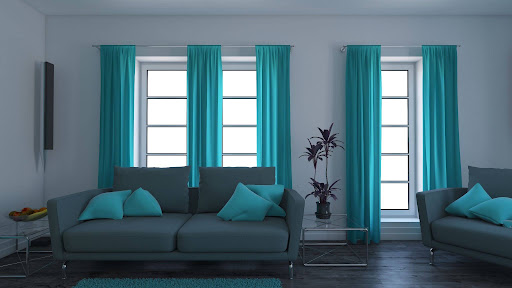
Curtains vs Blinds for Bangalore Apartments: Which Works Better? October 15, 2026 homesbykosen.in A living room that gets too much afternoon sunlight. A bedroom where the streetlights stay visible even after bedtime. Or a kitchen window that’s awkward to cover without getting fabric in the way. These are everyday problems in Bangalore apartments, and the right window covering can make a noticeable difference. Curtains and blinds are both practical choices, but they solve slightly different problems. Curtains bring softness, warmth and flexibility to a room, while blinds offer a more compact way to manage daylight and privacy. If you’ve been searching for a curtain shop near me, it’s worth considering how each option will work in your home before choosing a design. The right decision depends on your window size, room layout, light exposure and how much maintenance you’re comfortable with. Curtains vs Blinds: What’s the Actual Difference? Curtains are fabric panels that hang from a rod or track, usually extending beyond the edges of the window. Depending on the fabric and lining, they can soften daylight, darken a bedroom or add texture to a plain interior. Blinds are fitted window coverings that generally use a roller mechanism, horizontal slats or alternating fabric sections to control incoming light. They usually occupy less space around the window. Neither is automatically better. A large living room window may look more balanced with full-length curtains, while a small study window above a desk may be easier to manage with blinds. For homeowners exploring different styles, the curtain collection and window blinds collection at Home by Kosene provide useful starting points. 1. Which Is Better for Bangalore’s Sunlight? Bangalore’s weather is often described as pleasant, but direct sunlight can still make rooms uncomfortable, particularly when windows face west. The direction of your windows matters more than the city you’re living in. Curtains for Softer, More Comfortable Daylight Sheer curtains help diffuse harsh daylight while maintaining a bright, airy appearance. They work well in living rooms where homeowners want natural light without leaving the windows completely uncovered. For stronger light control, thicker curtains or blackout-lined fabrics are more suitable. A combination of sheer and heavier curtains can be particularly useful when you want different levels of light throughout the day. Blinds for More Adjustable Light Control Blinds are useful when you want to adjust the amount or direction of incoming light without fully uncovering the window. Venetian blinds, for example, have adjustable slats that can redirect daylight. Sunscreen roller blinds can reduce glare while preserving some outward visibility during daylight hours. However, sunscreen blinds do not provide complete nighttime privacy when the interior is brightly lit. For a closer comparison of materials, read this guide to blackout and sunscreen roller blinds for Bangalore homes. Which works better? Choose curtains when you prefer softly filtered light and a layered appearance. Choose blinds when compact installation and adjustable daylight control are priorities. 2. Privacy Matters More in Apartments Facing Other Buildings In many Bangalore apartment complexes, windows face neighbouring balconies, shared corridors or other residential towers. This makes privacy an important consideration, especially in bedrooms and living rooms. Full-length opaque curtains generally provide good privacy when completely closed. Sheer curtains, however, should not be treated as a reliable nighttime privacy solution. Blinds can also provide effective privacy, but their performance depends on the design. Roller blinds made from opaque fabric offer better visual screening than transparent or loosely woven materials. Venetian blinds provide adjustable screening, although gaps between slats can still allow visibility from certain angles. For bedrooms facing neighbouring apartments, blackout curtains or opaque roller blinds are usually more dependable than sheer fabrics or sunscreen blinds alone. The important question is not simply whether a window covering provides privacy. It’s whether it provides enough privacy during the day and after dark. 3. Small Apartment? Blinds May Save More Space Window treatments can affect how spacious a room feels. In compact Bangalore apartments, every bit of wall space matters, particularly when furniture is positioned close to windows. When Curtains Work Well Curtains look attractive around larger windows, balcony doors and living room openings. They also help create a softer interior, particularly when paired with wooden furniture, upholstered sofas and warm lighting. However, curtains need space to gather when opened. Heavy, full-length panels can sometimes feel bulky around narrow windows. When Blinds Make More Sense Blinds have a cleaner profile because they can be fitted within or close to the window recess. They are particularly practical for: Study rooms with desks near the window Compact bedrooms Windows above kitchen counters Narrow openings Minimalist apartment interiors For sliding balcony doors, curtains may be more convenient than certain blind systems because they can be drawn sideways. Practical tip: Before choosing blinds, check whether the window opens inward and whether handles, grills or other fittings could interfere with the blind mechanism. 4. Which Is Easier to Clean and Maintain? This is one of the most overlooked parts of choosing window coverings. Bangalore apartments near busy roads or construction activity may experience regular dust accumulation. Kitchen windows can also collect grease and cooking residue. Curtain Maintenance Curtains can collect dust, particularly around folds and pleats. Some fabrics are machine washable, while others require professional cleaning. Their care requirements depend on the material, lining and construction. Cotton and certain polyester fabrics may be relatively straightforward to maintain, while delicate fabrics need more attention. If you’re uncertain about fabric selection, the guide to curtain fabrics for Bangalore homes explains the differences between common materials. Blind Maintenance Roller blinds generally have fewer folds and exposed surfaces than curtains, making routine dust removal relatively simple. Many can be cleaned with a soft cloth or vacuum brush attachment, following the manufacturer’s care instructions. Venetian blinds require more attention because dust can settle on individual slats. Fabric blinds should not be soaked or scrubbed unless the manufacturer specifically permits it. Which works better? For routine surface cleaning, roller blinds often have an advantage. Washable curtains may be
What Makes the Best Curtain Shop in Bangalore? A Homeowner’s Buying Guide
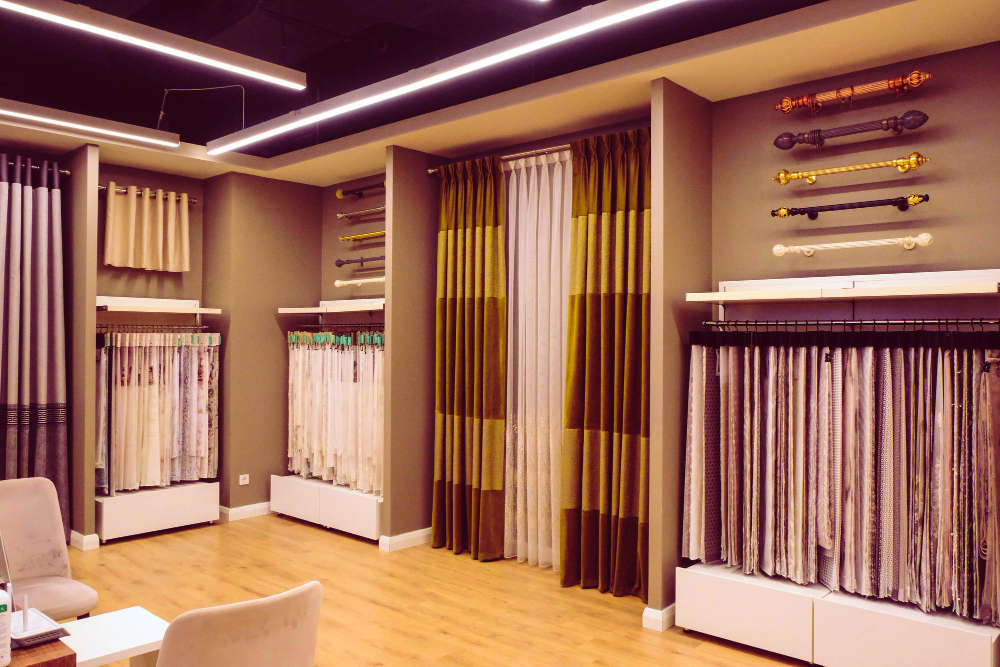
What Makes the Best Curtain Shop in Bangalore? A Homeowner’s Buying Guide October 9, 2026 homesbykosen.in Choosing curtains sounds simple until you begin comparing fabrics, stitching styles, blackout options, track systems, measurements and installation. What looks good in a showroom may not always work in your home, especially if the fabric, fall or finish does not suit the window or the room. That is why finding one of the best curtain shops in Bangalore should involve more than selecting a fabric you like. If you are currently exploring options, you can begin with Home by Kosene’s curtain collection to understand how different fabrics, textures and styles can work across living rooms, bedrooms and other spaces. A good curtain shop should help you make the right decision from fabric selection through to measurement, stitching and final installation. This guide explains what homeowners should look for before choosing a curtain store in Bangalore. 1. A Wide Range of Curtain Fabrics One of the first signs of a good curtain shop is variety. Different rooms require different fabrics, finishes and levels of light control. A store with only a limited selection may make it difficult to find something that truly suits your home. A strong curtain collection should include options such as: Sheers Blackout fabrics Linen-look fabrics Cotton blends Textured fabrics Printed fabrics Velvet Jacquard Patterned fabrics Premium designer materials The right fabric depends on how the room is used. For example, a living room may benefit from soft sheers and decorative outer curtains, while a bedroom may need heavier or blackout fabrics. If you want to understand these options in more detail, read our guide to the best curtain fabrics for Bangalore homes. 2. Proper Guidance Instead of Just Fabric Selling The best curtain shops should not simply show you a catalogue and ask you to choose. A good consultant should ask questions such as: Which room are the curtains for? How much natural light enters the space? Do you need privacy? Is the window west-facing? Do you prefer sheer, blackout or layered curtains? What colours are already used in the room? What type of furniture and flooring do you have? These questions help narrow down the right fabric and curtain style. The best curtain solution is usually based on both appearance and functionality. 3. Accurate Measurement Support Measurement is one of the most important parts of buying curtains. Even a high-quality fabric can look wrong if the curtain is too short, too narrow or not full enough. Professional measurement should consider: Window width Window height Ceiling height Curtain drop Track position Rod placement Floor clearance Fabric fullness Window frame depth This becomes especially important for large windows, balcony doors and floor-to-ceiling curtains. When comparing the best curtain shops in Bangalore, ask whether measurement support is included before placing the order. 4. Customisation Options Curtains should ideally fit the window and room rather than forcing the room to fit a standard ready-made size. Customisation can include: Curtain width Curtain length Pleat style Lining Blackout lining Sheer layering Header style Tiebacks Curtain tracks Curtain rods Custom-made curtains can create a more finished appearance, especially in homes with unusual window sizes or full-height windows. For homeowners looking for more tailored solutions, our guide to customised blinds and curtains in Bangalore explains what to consider before ordering. 5. Different Curtain Styles to Choose From The best curtain shop should also offer guidance on style. Common curtain styles include: Eyelet curtains Pinch pleat curtains Pencil pleat curtains Wave curtains Rod pocket curtains Layered curtains Each creates a different visual effect. Wave curtains tend to suit modern interiors, while pleated styles can create a more formal look. The final choice should depend on the room, track system, fabric and overall interior theme. You can also explore our guide to designer curtains in Bangalore and the latest trends for additional inspiration. 6. Sheer, Blackout and Layered Options A quality curtain store should help you choose the right level of light control. Sheer Curtains Sheers allow natural light to enter while creating a softer visual effect. They work well in: Living rooms Dining areas Balconies Rooms where daylight is important Blackout Curtains Blackout fabrics are better suited where stronger light control is required. They can be useful in: Bedrooms Media rooms Children’s rooms Rooms exposed to strong sunlight Layered Curtains Combining sheers with blackout or decorative curtains can provide more flexibility. You can use the sheer layer during the day and close the heavier curtains when you need greater privacy or light control. A strong curtain store should be able to guide you on which combination works best for your room. 7. Curtain Tracks and Hardware Matter Too Curtain fabric is only one part of the installation. The track or rod also affects how the curtain hangs and moves. Depending on the window, the store may recommend: Ceiling-mounted tracks Wall-mounted tracks Decorative rods Double tracks Motorised systems The hardware should support the curtain weight and allow smooth movement. Before placing the order, ask whether the curtain shop also provides tracks, rods and installation support. 8. Quality Stitching and Finishing Stitching quality can make a significant difference to the final appearance. Look for details such as: Even pleats Straight seams Proper hems Clean lining Consistent folds Neat edges Poor stitching can make even an expensive fabric look unfinished. The best curtain shops should provide consistent workmanship from fabric selection through to final fitting. 9. Installation Support Curtain installation may appear simple, but incorrect track placement can affect the way the entire window looks. Professional installation helps ensure: Correct track height Proper curtain drop Smooth operation Even hanging Accurate bracket placement Clean finishing This is especially important for full-height curtains and large windows. 10. Ability to Coordinate Curtains With the Rest of the Interior Curtains should not be selected in isolation. They need to work with: Flooring Furniture Wall colours Wallpaper Rugs Upholstery Lighting A good curtain shop should help you think about the room as a complete interior rather
Luxury Wallpaper Trends in Bangalore: Designs That Are Transforming Modern Homes
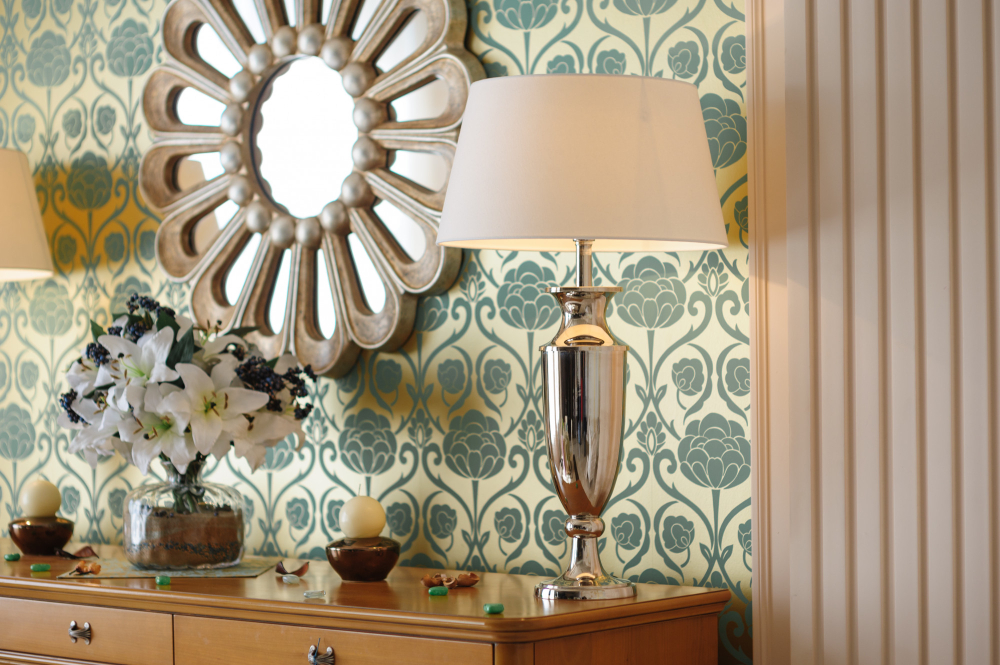
Luxury Wallpaper Trends in Bangalore: Designs That Are Transforming Modern Homes October 5, 2026 homesbykosen.in Luxury wallpaper has moved far beyond traditional floral prints and repetitive patterns. Today, homeowners are using wallpaper to create feature walls, add texture, introduce colour and give rooms a more curated interior feel. For anyone exploring luxury wallpaper in Bangalore, the biggest shift is towards designs that look more sophisticated, tactile and integrated with the rest of the home rather than overly decorative. If you are currently comparing styles, you can explore Home by Kosene’s wallpaper collection to see how different textures, patterns and finishes can work across living rooms, bedrooms and other interior spaces. From soft textured neutrals to large-scale botanicals and artistic murals, here are the luxury wallpaper trends that are shaping modern Bangalore homes. 1. Textured Neutral Wallpapers One of the strongest luxury wallpaper trends is the move towards subtle texture. Instead of using bold colour, these wallpapers create depth through finishes inspired by: Linen Raw silk Plaster Concrete Natural fibres Woven fabric They work especially well in homes where the interior already includes statement furniture, artwork or decorative lighting. Textured neutral wallpaper can add visual interest without making the room feel busy. It is particularly effective in: Living rooms Bedrooms Dining areas Home offices For homeowners who want a premium look without a loud pattern, this is one of the safest and most versatile directions. 2. Oversized Botanical Designs Botanical wallpaper continues to evolve. Instead of small repeating leaves, luxury interiors are moving towards larger, more artistic botanical designs. These may include: Oversized leaves Soft tropical forms Watercolour botanicals Monochrome foliage Hand-painted floral effects These designs can create a strong feature wall without needing additional artwork. They work particularly well behind: Sofas Beds Dining tables Console units The key is balance. If the wallpaper is visually strong, the surrounding curtains, furniture and upholstery should usually be more understated. 3. Metallic and Subtle Shimmer Finishes Metallic wallpaper is no longer about high-shine gold or silver. Modern luxury designs use softer finishes such as: Champagne tones Antique gold Brushed bronze Soft silver Pearl effects These details reflect light subtly and can make the wall feel more dimensional. They work best when combined with controlled lighting rather than harsh overhead illumination. Used correctly, metallic finishes can add sophistication without making the room feel overly formal. 4. Stone and Natural Surface Effects Wallpaper inspired by natural materials is becoming increasingly popular. Designs that recreate: Travertine Marble Sandstone Concrete Limewash Raw plaster can give walls a more architectural feel. This works particularly well in homes where homeowners want the appearance of a natural surface without introducing heavy wall cladding. These designs can complement modern flooring and understated furniture beautifully. If you are planning a broader interior scheme, you can also explore Home by Kosene’s wooden and marble flooring collection to coordinate wall and floor finishes. 5. Large-Scale Murals Murals are one of the strongest statement-wall trends. Unlike traditional wallpaper with repeating motifs, murals create one continuous visual composition. Popular luxury mural themes include: Abstract landscapes Misty forests Architectural sketches Botanical art Watercolour scenes Minimal geometric compositions Murals can give a room a highly customised look. They work best on walls that are visually prominent and relatively uncluttered. For example, a wall behind a sofa or bed can become the focal point of the entire room. 6. Art-Deco Inspired Patterns Art-Deco influences continue to appear in luxury wallpaper collections. These designs often include: Symmetrical geometry Fan patterns Curved lines Metallic detailing Deep jewel tones They work particularly well in formal living rooms, dining spaces and bedrooms where the overall interior leans towards a more glamorous style. The important thing is not to overuse the pattern. One feature wall is often enough to create impact. 7. Soft Geometric Wallpaper Geometric wallpaper does not always need to feel bold. Luxury interiors are increasingly using softer geometric patterns with muted colours and subtle texture. These designs can create visual structure without dominating the room. They work well in: Modern apartments Bedrooms Study rooms Hallways Home offices Soft geometric patterns are especially useful for homeowners who want something more interesting than plain wallpaper but less dramatic than florals or murals. 8. Dark and Moody Wallpaper Deep colours are becoming more popular in luxury interiors. Shades such as: Charcoal Forest green Navy Deep burgundy Chocolate brown can create a more intimate and sophisticated atmosphere. Dark wallpaper works best when the room has adequate lighting and the other interior elements are carefully balanced. Pairing dark walls with lighter furniture, warm lighting or metallic details can create a premium finish. 9. Fabric-Look Wallpaper Wallpaper that resembles fabric is another strong trend. These designs recreate the appearance of: Linen Silk Suede Woven textiles They can soften hard architectural surfaces and make a room feel more layered. Fabric-look wallpaper works particularly well in bedrooms and formal living spaces where a quieter luxury feel is preferred. It also pairs naturally with soft furnishings such as curtains and upholstery. 10. Tone-on-Tone Designs Tone-on-tone wallpaper uses variations of the same colour rather than strong contrast. For example: Beige on cream Grey on charcoal Olive on sage Gold on warm neutral This creates a refined look that reveals more detail as the light changes throughout the day. It is particularly suitable for homeowners who want a premium finish without making the wall too visually dominant. Where Luxury Wallpaper Works Best Luxury wallpaper does not need to cover every wall in the home. In many cases, it works better when used selectively. Some of the best locations include: Living Room Feature Wall A wallpapered wall behind the sofa or television can create a strong focal point. Bedroom Headboard Wall Wallpaper behind the bed can add depth and make the room feel more finished. For more ideas, you can read our guide to luxury wallpaper for living rooms in Bangalore. Dining Area Textured or artistic wallpaper can help visually define a dining zone, particularly in open-plan homes. Entrance or Foyer A
How to Choose a Good Curtain Shop in Bangalore: 7 Things to Check Before Buying
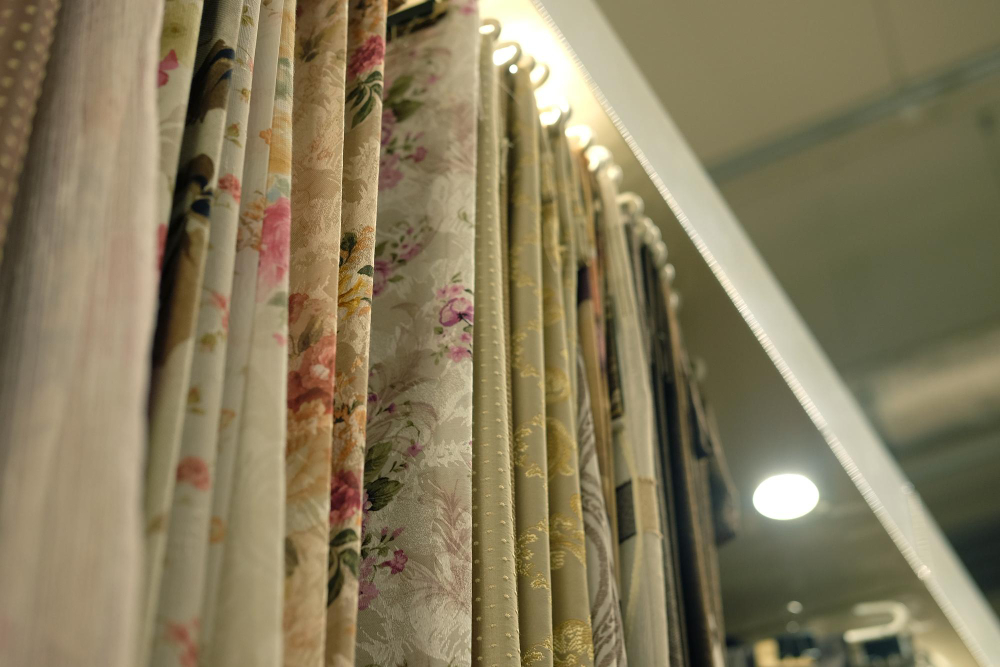
How to Choose a Good Curtain Shop in Bangalore: 7 Things to Check Before Buying September 30, 2026 homesbykosen.in Curtains do much more than cover a window. They influence privacy, daylight, insulation and the overall character of a room. The right curtains can make a living room feel more complete, soften a bedroom and bring balance to the rest of the interior. That is why choosing from the many good curtain shops in Bangalore should involve more than comparing fabric samples or asking for the lowest quotation. If you are currently exploring styles, you can start with Home by Kosene’s curtain collection to understand the different fabric, finish and design possibilities available for modern homes. Before finalising a curtain shop, it is worth checking how well they understand fabric selection, measurements, stitching, installation and the way curtains should work with the rest of your interior. Here are seven important things to check before buying. 1. Check the Variety of Curtain Fabrics Available A good curtain shop should offer more than one or two standard fabric options. Different rooms need different levels of privacy, light control and visual softness, so it helps to have access to a broad selection. Common curtain fabric categories include: Sheer fabrics Linen-look fabrics Cotton blends Blackout fabrics Textured fabrics Printed fabrics Velvet Jacquard Polyester blends Premium designer fabrics The right material depends on where the curtain will be used. For example, a sheer curtain may work beautifully in a living room where you want filtered daylight, while a bedroom may need a denser fabric for privacy and light control. If fabric selection is one of your main concerns, read our guide to the best curtain fabrics for Bangalore homes for more detailed guidance. 2. Make Sure They Offer Proper Measurement Support Curtains need accurate measurements. Even a small measurement error can affect how the curtains fall, how much fabric is required and whether the final result looks balanced. A reliable curtain shop should help you understand: Window width Window height Curtain drop Rod or track position Floor clearance Pleat allowance Fabric fullness Whether curtains should sit inside or outside the window frame This becomes especially important for larger windows, balcony doors and full-height curtain installations. A good supplier should not simply sell fabric and leave the rest to guesswork. 3. Ask About Customisation Options Ready-made curtains can work in some situations, but customised curtains usually provide much more control over proportion and finish. When comparing good curtain shops in Bangalore, ask whether they offer customisation for: Curtain width Curtain length Pleat style Lining Blackout backing Sheer layering Curtain headings Tiebacks Tracks and rods Customisation can make a noticeable difference, especially when dealing with non-standard window sizes. If you are specifically looking for tailored window solutions, our guide to customised blinds and curtains in Bangalore explains what homeowners should consider before finalising a supplier. 4. Understand the Different Curtain Styles A good curtain shop should be able to guide you on the right curtain style rather than simply asking you to choose a fabric. Different heading styles create different visual effects. Common options include: Eyelet curtains Pinch pleat curtains Pencil pleat curtains Wave curtains Rod pocket curtains Layered sheer and blackout curtains The best choice depends on the room, ceiling height, curtain track and overall interior style. For contemporary homes, wave curtains can create a clean and structured appearance. For more formal spaces, pleated curtains may add more depth and definition. You can also explore our guide to designer curtains in Bangalore and the latest trends for more style inspiration. 5. Check Whether the Curtains Match Your Functional Needs Curtains should not be selected only for appearance. The right product should also solve practical needs. Before buying, ask yourself: Do I need complete privacy? Is the room exposed to strong afternoon sunlight? Do I want filtered natural light? Is the room used for sleeping? Do I need thermal control? Do I want easy maintenance? Will the curtains be opened and closed frequently? For example, a bedroom may benefit from blackout curtains, while a living room may look better with layered sheers and decorative curtains. A good curtain shop should ask these questions before recommending a fabric. 6. Compare Curtains With Blinds Where Appropriate Curtains are not always the only solution. Some windows may work better with blinds, while others can benefit from a combination of both. Blinds may be useful where you want: Precise light control A cleaner window profile Easier maintenance Better use of compact wall space Curtains can offer: Softer aesthetics More decorative flexibility Greater fabric variety Better visual warmth If you are still deciding between the two, explore Home by Kosene’s blinds collection alongside the curtain range. In some homes, using blinds with curtains can offer both functionality and a more layered look. 7. Check Installation and Finishing Quality Even premium curtain fabric can look disappointing if the installation is poorly done. Curtain tracks, rods and fittings need to be installed correctly so the curtains hang evenly and operate smoothly. Before choosing a supplier, ask whether they provide support with: Track installation Rod installation Brackets Final fitting Length adjustments Curtain alignment Finishing checks The final appearance depends on both stitching and installation. This is especially important for floor-to-ceiling curtains and large windows, where uneven hanging becomes very noticeable. How to Choose Curtains for Your Living Room The living room usually needs a balance between privacy, natural light and style. For many homes, layered curtains work particularly well. A sheer layer can allow daylight into the room while a thicker outer curtain can provide privacy in the evening. When selecting fabrics, consider: Sofa colour Wall finish Flooring Rugs Natural light Furniture style If your living room already has strong wallpaper or patterned upholstery, a simpler curtain fabric may create better visual balance. You can browse Home by Kosene’s gallery for ideas on combining curtains with other interior elements. How to Choose Curtains for Bedrooms Bedrooms usually need more privacy and light control than living
Wallpaper Price in Bangalore: Material, Installation Cost & Buying Guide
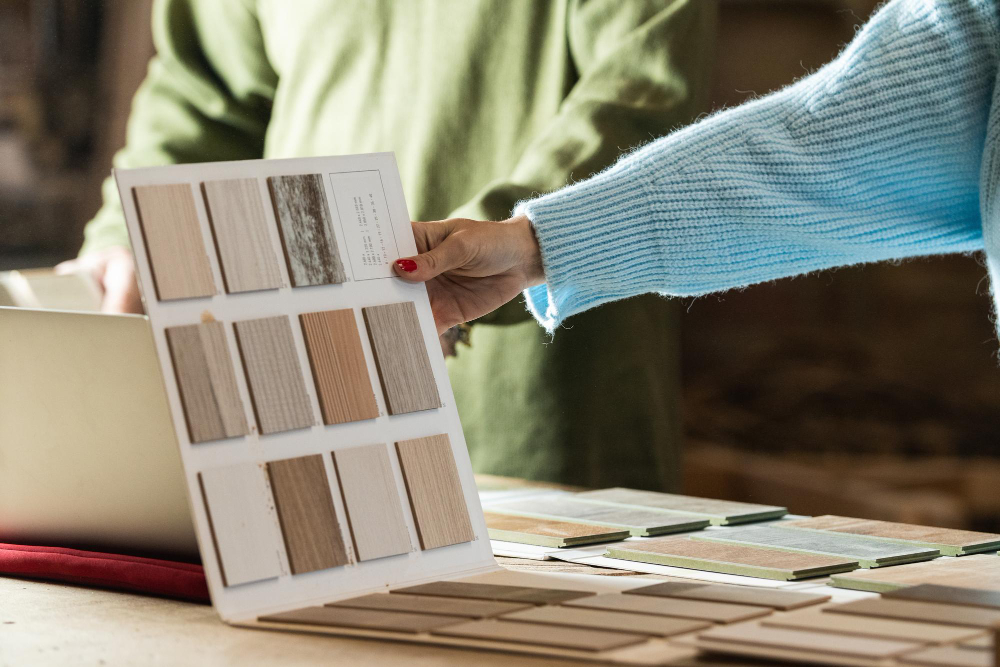
Wallpaper Price in Bangalore: Material, Installation Cost & Buying Guide September 25, 2026 homesbykosen.in Wallpaper can completely change the mood of a room, whether you want a subtle textured finish, a bold feature wall or a more luxurious statement. But before selecting a design, most homeowners want to understand the wallpaper price in Bangalore and what actually affects the final project cost. The total cost depends on several factors, including wallpaper material, design, room size, wall condition, installation complexity and whether the wallpaper is used on a single feature wall or across the entire room. If you are currently exploring different styles, you can browse Home by Kosene’s wallpaper collection to compare patterns, textures and finishes before deciding what suits your interior. This guide explains the main wallpaper materials, the factors that influence installation cost and what Bangalore homeowners should check before buying. What Determines Wallpaper Price in Bangalore? There is no single wallpaper price that applies to every home. Even two wallpapers that look similar can differ significantly in quality, material and finish. The final cost can be influenced by: Wallpaper material Design and finish Roll size Imported or locally sourced collection Pattern repeat Number of rolls required Wall condition Surface preparation Installation complexity Labour requirements Removal of old wallpaper Feature wall vs full-room installation That is why it is better to compare complete project requirements rather than looking only at the rate of one wallpaper roll. Different Types of Wallpaper Available in Bangalore The material you choose is one of the biggest factors affecting the overall cost. Different wallpaper types vary in appearance, texture, maintenance and installation requirements. Vinyl Wallpaper Vinyl wallpaper is one of the most commonly used options because it is available in a wide range of colours, textures and patterns. It can work well in: Living rooms Bedrooms Hallways Dining rooms Home offices Its popularity comes from its versatility and relatively easy maintenance. The final cost can still vary depending on the quality of the vinyl layer, print quality and design complexity. Non-Woven Wallpaper Non-woven wallpaper is designed using a blend of natural and synthetic fibres. It is often preferred because it can be easier to install and remove compared with some traditional wallpaper types. It can work well in modern homes where homeowners want: Clean finishes Subtle textures Contemporary patterns Easier future replacement The quality and design of the material influence the overall project cost. Textured Wallpaper Textured wallpaper adds depth to a wall and can create a more premium interior effect. Common finishes may imitate: Linen Fabric Concrete Stone Plaster Natural fibres Textured designs work particularly well in living rooms, bedrooms and formal spaces where the wall itself becomes part of the interior scheme. For homeowners considering more premium styles, our guide to luxury wallpaper for living rooms in Bangalore can provide additional inspiration. Luxury and Designer Wallpaper Luxury wallpaper typically focuses on distinctive patterns, premium textures and high-end finishes. These collections may include: Metallic details Large-scale botanicals Hand-painted effects Embossed textures Geometric patterns Fabric-inspired finishes Artistic murals These options are often chosen for feature walls, formal living spaces, dining areas and premium bedrooms. When selecting luxury wallpaper, the design should complement the room rather than overpower it. Mural Wallpaper Murals use large-scale artwork or photographic designs across the wall. Unlike repeating wallpaper patterns, murals are usually designed to create one continuous image. They work particularly well for: Living room feature walls Bedrooms Children’s rooms Home offices Dining areas Murals may require more precise measurement and installation, which can influence the total project scope. Why Wallpaper Material Affects Cost Wallpaper materials vary in how they are manufactured, printed and finished. A simple printed wallpaper may have a very different construction from an embossed, textured or premium designer product. Factors that can influence material cost include: Surface texture Print quality Thickness Brand Country of origin Special finishes Washability Pattern complexity Manufacturing method This is why homeowners should compare material quality and suitability rather than choosing based only on design. Does Wallpaper Installation Affect the Overall Cost? Yes. Installation can influence the final wallpaper project cost considerably. The process may involve: Measuring the wall Checking wall condition Surface cleaning Filling cracks Sanding uneven areas Applying primer Cutting wallpaper Pattern alignment Adhesive application Edge finishing Complex patterns or walls with multiple corners, switches and architectural details may require more time and precision. For more detail on this part of the project, read our guide to wallpaper installation cost in Bangalore. Does Wall Condition Matter? Yes. Wall preparation is one of the most important parts of wallpaper installation. Wallpaper performs best when the surface is smooth, dry and properly prepared. Before installation, the wall may need to be checked for: Cracks Dampness Peeling paint Uneven plaster Nail holes Existing wallpaper Surface dust Moisture issues If the wall requires repair or preparation, that can influence both the project timeline and total cost. Installing wallpaper over an unsuitable surface can also affect the final appearance. Feature Wall vs Full-Room Wallpaper One of the biggest choices homeowners need to make is whether to use wallpaper on one wall or throughout the room. Feature Wall A feature wall allows you to use stronger colours, bold patterns or premium designs without overwhelming the space. It works particularly well behind: Sofas Beds TV units Dining tables Console tables Full Room Wallpapering multiple walls creates a more immersive interior. This approach generally works better with: Soft patterns Neutral textures Subtle prints Understated colours Your choice affects both the quantity of wallpaper required and the amount of installation work involved. How Pattern Repeat Affects Wallpaper Requirements Wallpaper is usually printed in repeating patterns. Some designs have small repeats, while others use large motifs. When a pattern needs to line up from one strip to the next, additional material may be required. The more complex the pattern repeat, the more careful the cutting and alignment process becomes. This is why it is important to calculate wallpaper requirements based on the actual design rather than only