


Wooden Flooring vs Vinyl Flooring: A Buyer’s Comparison
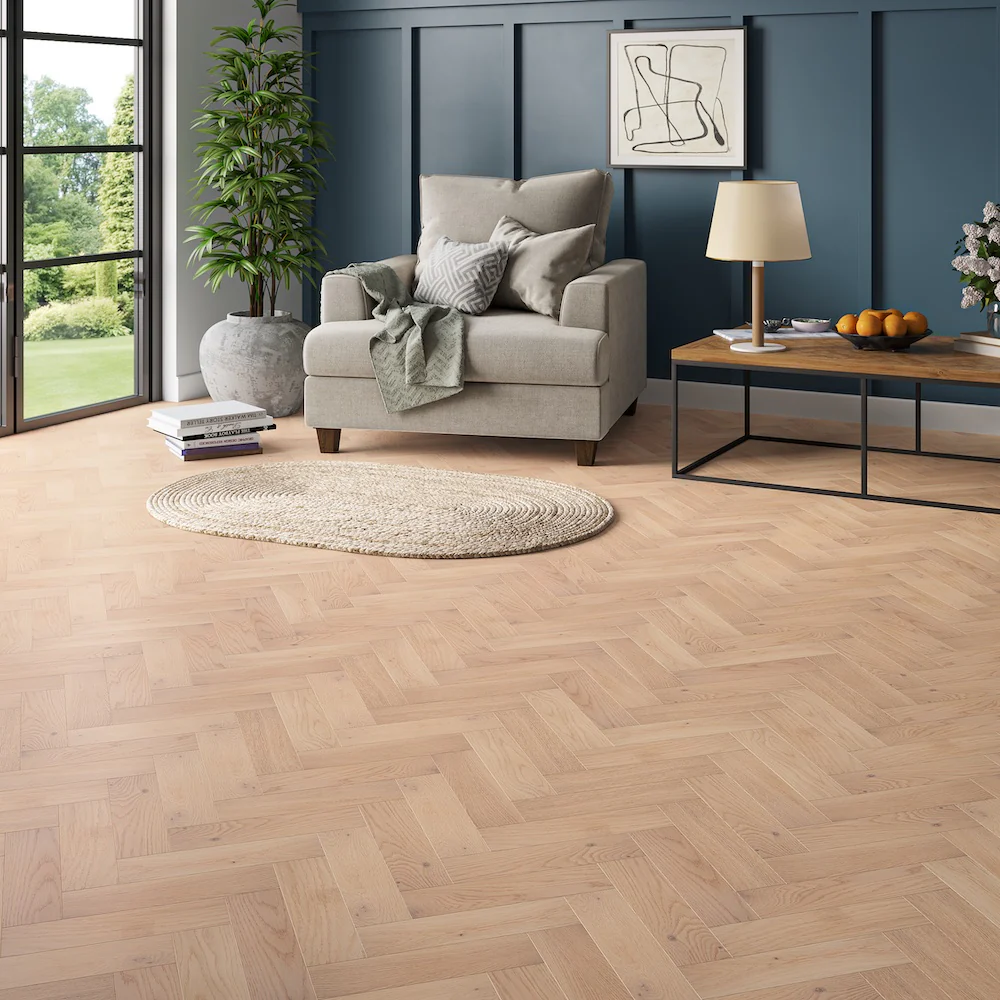
Wooden Flooring vs Vinyl Flooring: A Buyer’s Comparison October 26, 2026 homesbykosen.in You’ve decided to replace your old flooring. You want something warmer than tiles, comfortable to walk on and attractive enough to complement your furniture. Wooden flooring looks appealing, but vinyl flooring seems easier to maintain. So which one should you choose? Both can transform a room, but they’re made differently and behave differently over time. Wooden flooring offers the natural grain and character of timber. Vinyl flooring is a manufactured alternative that can reproduce a wood-like appearance while providing practical advantages in certain spaces. For homeowners considering wooden flooring in Bangalore, the decision should go beyond appearance. Daily foot traffic, moisture exposure, cleaning habits, installation conditions and the available budget all matter. Here’s what you need to understand before making your choice. Understanding Wooden and Vinyl Flooring Before comparing the two, it’s worth knowing what you’re actually buying. What Is Wooden Flooring? Wooden flooring is generally available in two main forms. Solid hardwood flooring is made from a single piece of timber. It offers natural grain variation and may be sanded and refinished multiple times, depending on the board’s thickness and condition. Engineered wood flooring has a genuine wood surface over a layered core. Its construction generally makes it more dimensionally stable than solid timber, although it still requires protection from excessive moisture. For homeowners exploring engineered wood flooring in Bangalore, it’s important to examine the thickness of the real wood surface, core construction and recommended installation method. What Is Vinyl Flooring? Vinyl flooring is manufactured primarily using synthetic materials, commonly PVC-based layers. It comes in several forms, including sheets, tiles and planks. Luxury vinyl planks, commonly called LVP, are designed to replicate wooden floorboards. Some rigid-core vinyl products are marketed as SPC flooring, which uses a mineral-filled composite core. Unlike genuine wood, vinyl doesn’t have natural timber grain running through the material. Its appearance is created through decorative layers and surface textures. Good-quality vinyl can look convincing, particularly from a normal viewing distance, but its physical characteristics remain different from real timber. 1. Appearance: Natural Wood or a Wood-Look Finish? This is usually the first difference buyers notice. Wooden flooring has natural variations in colour, grain and texture. Even boards made from the same timber species may look slightly different. These variations give wooden floors their character. For a spacious living room with neutral furniture, genuine wood can create an inviting and sophisticated finish. Vinyl flooring offers greater visual consistency. Manufacturers can reproduce different wood tones, plank patterns and textures. It can be useful when you want a particular shade throughout the room without significant natural variations. However, some vinyl collections repeat the same printed patterns across multiple planks. This may become noticeable across larger floor areas. What should you check? Don’t decide from a single showroom sample. Ask to see several planks together so you can understand the overall pattern and colour variation. For a naturally distinctive timber finish, wooden flooring has an advantage. For predictable colour and design consistency, vinyl can be a practical alternative. 2. Durability: Which Flooring Handles Daily Use Better? Durability depends on the product specification, not simply whether the flooring is wooden or vinyl. A bedroom used mainly in the mornings and evenings experiences different wear from a living room where children play, furniture moves and people walk throughout the day. Wooden Flooring Wooden floors can last for many years when properly installed and maintained. However, timber can develop scratches, dents and surface wear. The hardness of the wood species and the quality of the protective finish affect how well it handles everyday activity. One advantage of certain wooden floors is that they can be refinished to restore their appearance. With engineered wood, refinishing depends on the thickness of the genuine wood surface and the manufacturer’s recommendations. Vinyl Flooring Vinyl flooring has a protective wear layer designed to handle everyday use. The thickness and performance of this layer vary between products. Suitable high-quality vinyl can resist routine wear well, making it attractive for active households. However, vinyl isn’t scratchproof. Sharp objects, dragged furniture and trapped grit can still damage its surface. Unlike solid hardwood, vinyl flooring generally cannot be sanded and refinished. Damaged planks may need replacement, depending on the flooring system. Which is better? For buyers who value a natural material and possible future refinishing, wood has an advantage. For households looking for a practical manufactured surface with straightforward daily care, suitable vinyl flooring may be preferable. 3. Water Resistance: An Important Difference Imagine someone spills water near the dining table. If the spill is cleaned immediately, either flooring may handle the incident without damage, depending on its construction and condition. The concern is what happens when moisture remains on or underneath the floor. Wood naturally reacts to moisture. Prolonged exposure can cause swelling, cupping, staining or movement between boards. Engineered wood is generally more dimensionally stable than solid timber, but it isn’t automatically waterproof. Vinyl itself is typically highly resistant to water, and some vinyl products are marketed as waterproof. That doesn’t mean the entire installed floor can tolerate flooding. Water can still reach the subfloor through joints, edges or perimeter gaps. Trapped moisture may cause problems beneath the flooring. This matters in Bangalore homes during the monsoon, especially where windows are regularly left open or existing floors have moisture problems. Practical recommendation: For dry living rooms and bedrooms, either material may work well. For locations where spills or occasional moisture exposure are more likely, suitably specified vinyl may offer an advantage. Neither should be installed over an unresolved damp or leaking subfloor. 4. Which Flooring Is Easier to Clean? Nobody wants a beautiful floor that requires constant attention. Fortunately, both wooden and vinyl flooring can be maintained with regular sweeping or vacuuming. Wooden floors usually require a slightly more careful cleaning routine. Excess water should be avoided, and cleaning products must be compatible with the floor’s finish. A lightly dampened mop may be suitable when recommended by