
Vinyl Flooring in Bangalore: Types, Cost Factors & How to Choose the Right Flooring
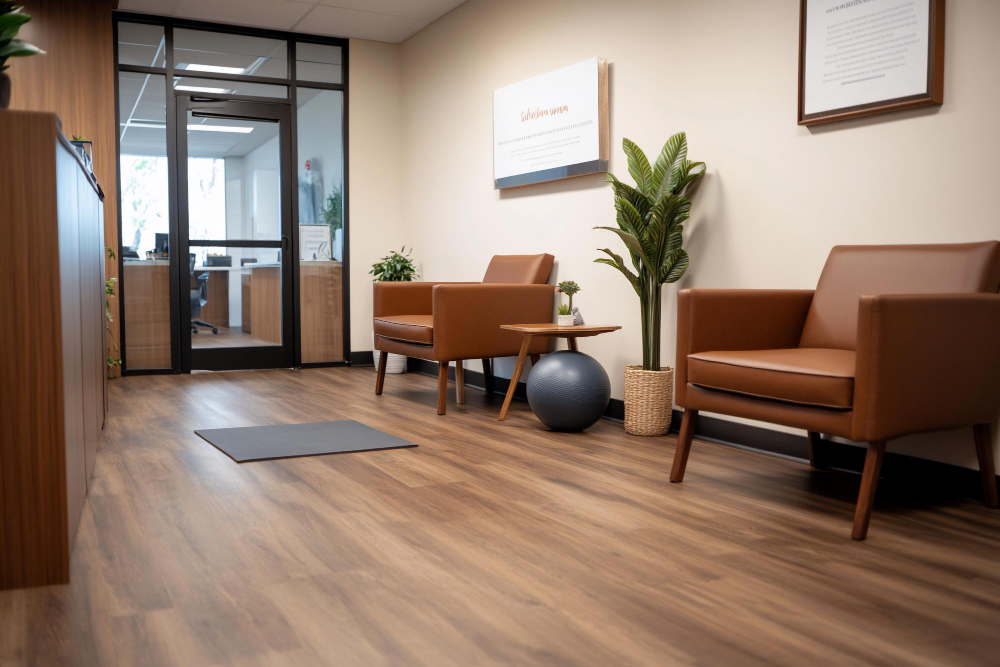
Vinyl Flooring in Bangalore: Types, Cost Factors & How to Choose the Right Flooring September 20, 2026 homesbykosen.in Vinyl flooring has become a practical choice for homeowners who want the appearance of wood or stone without the maintenance demands associated with some natural materials. With different textures, colours and plank styles available, vinyl can work across bedrooms, living spaces, home offices and other areas of the home. If you are comparing vinyl with other options, you can also explore Home by Kosene’s wooden and marble flooring collection to understand how different flooring materials, finishes and styles can work within your interiors. However, choosing flooring should involve more than selecting a design from a catalogue. The construction of the flooring, room conditions, usage, installation method and overall interior style all matter. If you are searching for a vinyl flooring shop in Bangalore, understanding these differences before visiting a showroom can make it easier to compare products and choose an option that suits your home. This guide covers the main types of vinyl flooring, the factors that influence cost, where vinyl flooring works best and what to check before making your final decision. What Is Vinyl Flooring? Vinyl flooring is a resilient flooring material manufactured using multiple layers. Depending on the product, these layers may include a protective wear layer, printed design layer, structural core and backing. Modern vinyl flooring can recreate the appearance of materials such as natural timber, oak, walnut, stone, concrete and marble. This versatility makes vinyl useful for homeowners who want a specific interior look while also considering durability, maintenance and everyday practicality. Before finalising any flooring option, it is useful to understand how it will coordinate with the rest of your interiors. You can browse the Home by Kosene gallery to see how different materials, colours and textures can work together in a finished space. Why Are Bangalore Homeowners Considering Vinyl Flooring? Homes in Bangalore vary significantly, from compact apartments to larger villas and independent houses. This means homeowners often need flooring that balances visual appeal with everyday functionality. Vinyl flooring is often considered because it offers: A wide range of colours and finishes Wood and stone-look designs Easy day-to-day maintenance Options suitable for renovation projects Different formats and installation systems A relatively comfortable underfoot feel Choices for both modern and traditional interiors The right product, however, depends on where it will be installed and how heavily the room is used. A flooring option suitable for a low-traffic bedroom may not necessarily be the right choice for a busy living room. Types of Vinyl Flooring Available in Bangalore When visiting a vinyl flooring shop in Bangalore, you may come across several different product categories. Understanding the difference between them can help you choose based on performance and suitability rather than appearance alone. Luxury Vinyl Tile Luxury Vinyl Tile, commonly known as LVT, is designed to replicate materials such as stone, tile or wood. It is available in individual tile or plank formats and can offer more design flexibility than traditional sheet vinyl. LVT may be suitable for: Living rooms Bedrooms Dining areas Home offices Contemporary residential spaces Its detailed surface patterns make it attractive for homeowners who want a refined look without necessarily using natural stone or timber. Luxury Vinyl Plank Luxury Vinyl Plank, or LVP, focuses primarily on recreating the appearance of wooden planks. Different collections may imitate oak, walnut and other timber styles, with variations in grain, plank width and texture. For homeowners who like the appearance of timber but are still comparing materials, LVP can be viewed alongside wooden flooring options to better understand the difference in texture, feel and overall finish. SPC Flooring SPC stands for Stone Plastic Composite. It uses a rigid core, giving the flooring more structural stability than softer vinyl formats. SPC flooring is often considered by homeowners looking for: A firm underfoot feel Stable flooring construction Click-lock installation Wood-effect designs Flooring suitable for renovation projects The quality of SPC products can vary, so it is important to check thickness, core construction, wear layer and the locking system before making a decision. Sheet Vinyl Flooring Sheet vinyl is supplied in wider rolls rather than individual planks or tiles. Because there are fewer joints, it can create a more continuous flooring surface. It has traditionally been associated with functional spaces, but newer collections are available in a much broader variety of finishes. Whether it is suitable for your home depends on the room, existing floor condition and the overall interior style you want to achieve. Vinyl Flooring vs Laminate Flooring Vinyl and laminate are often compared because both can recreate the appearance of wooden flooring. However, their construction is quite different. Laminate typically uses a wood-based core with a decorative top layer, while vinyl products use synthetic materials and may include rigid composite cores depending on the product type. The right choice depends on: Room conditions Moisture exposure Surface durability Desired appearance Maintenance expectations Installation method If laminate is also under consideration, you can read our guide to laminate wood flooring stores near you to understand what to check before buying. Vinyl Flooring vs Engineered Wood The biggest difference between vinyl and engineered wood is the surface material. Engineered wood uses a genuine timber top layer, whereas vinyl recreates the appearance of timber through a decorative surface. Engineered wood may appeal more to homeowners who value the natural texture, variation and character of real timber. Vinyl may be preferred where practicality, maintenance and design flexibility are more important. If you are comparing the two, our engineered wood flooring guide for Bangalore explains the construction, benefits and suitability of engineered wood in greater detail. What Affects the Cost of Vinyl Flooring? Even if you are researching flooring based on price, it is useful to understand that the overall cost can vary significantly from one project to another. Several factors can influence the final quotation, including: Type of vinyl flooring Product thickness Wear layer quality Core construction Surface texture Pattern and finish
Wooden Flooring Price in Bangalore: Cost, Types & Installation Guide
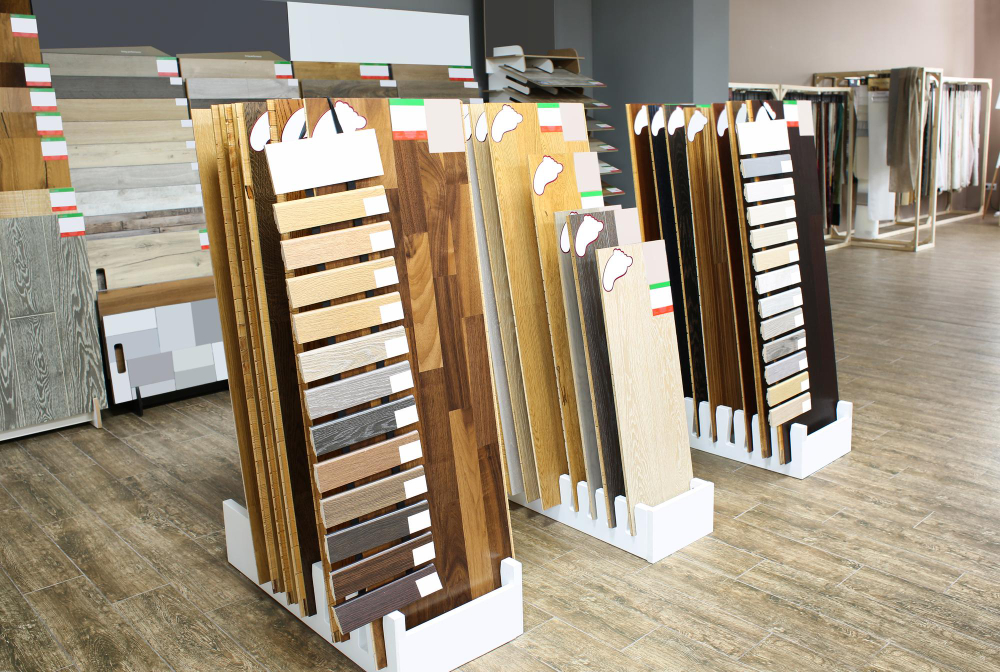
Wooden Flooring Price in Bangalore: Cost, Types & Installation Guide September 15, 2026 homesbykosen.in Wooden flooring can completely change the way a home feels. It brings warmth to bedrooms, adds character to living spaces and works beautifully with both contemporary and classic interiors. However, before choosing a colour, grain or finish, homeowners often want to understand the wooden flooring price in Bangalore and what actually determines the overall cost. There is no single price that applies to every project. The final cost depends on the type of flooring, quality of the material, room size, flooring condition, installation requirements and finishing details. This guide explains the main wooden flooring options available, the factors that influence pricing and what homeowners should consider before making a decision. What Determines Wooden Flooring Price in Bangalore? When comparing wooden flooring options, it is easy to focus only on the product itself. In reality, several factors contribute to the overall project cost. These include: Type of wooden flooring Material quality Thickness and construction Wood species and finish Size of the area Existing floor condition Installation method Underlay requirements Skirting and edge finishing Pattern and layout Material wastage Because every home is different, a site assessment and product selection usually provide a much clearer idea of the final investment than comparing flooring only by its advertised rate. Homeowners exploring different finishes can view Home by Kosene’s wooden and marble flooring collection to understand the available styles and possibilities. Different Types of Wooden Flooring The type of flooring you select is one of the biggest factors affecting the overall cost. While different products may look similar at first glance, their construction, durability, feel and maintenance requirements can vary considerably. Laminate Wooden Flooring Laminate is a popular option for homeowners who want the appearance of wooden flooring while keeping the project relatively practical. Instead of using solid timber throughout, laminate flooring uses multiple layers with a decorative wood-effect surface. It is available in a wide variety of colours, patterns and textures, making it suitable for bedrooms, living rooms and renovation projects. The quality of laminate flooring can vary depending on its thickness, wear resistance, water resistance and surface finish. If you are currently comparing laminate options, read our guide to laminate wood flooring stores near you to understand what you should check before buying. Engineered Wood Flooring Engineered wood flooring uses a genuine wood surface supported by multiple layers underneath. This construction provides the natural appearance and texture of real timber while offering greater dimensional stability than many traditional solid-wood applications. It is often selected for premium bedrooms, living rooms, dining areas and home offices. Factors such as the type of timber, thickness of the natural wood layer, plank dimensions and surface treatment can influence the overall project cost. Homeowners considering this flooring type can read our detailed engineered wood flooring guide for Bangalore to understand its construction, benefits and suitability. Solid Hardwood Flooring Solid hardwood flooring is manufactured from natural timber. Each plank carries its own grain variations, texture and character, creating an appearance that is difficult to reproduce with synthetic alternatives. Different wood species can offer different tones, grains, levels of hardness and visual character. Solid wood is generally chosen for interiors where natural materials and long-term aesthetic appeal are important considerations. The selected timber species, dimensions, finish and installation method can all influence the overall flooring investment. Why Two Similar-Looking Floors Can Have Different Costs Two flooring samples can appear almost identical but have very different specifications. One may be laminate, another engineered wood, while a third may use solid timber. Even within the same flooring category, there can be differences in: Thickness Core construction Surface durability Wood species Protective coating Texture Finish Plank dimensions Manufacturing quality Installation system This is why comparing wooden flooring purely by appearance can be misleading. Understanding the product specification helps homeowners make a more informed comparison. Does Installation Affect Wooden Flooring Cost? Yes. Installation can play an important role in the overall project. The complexity of installation depends on the selected flooring, room shape, existing surface and desired layout. A typical project may involve: Site measurement Floor inspection Subfloor preparation Levelling where required Underlay installation Flooring installation Skirting Transition profiles Door adjustments Edge finishing Final inspection A straightforward rectangular bedroom may require less preparation than a large open-plan space with several corners and transitions. For this reason, installation requirements should be discussed before finalising the flooring. Does the Existing Floor Matter? The condition of the existing floor can significantly affect installation. Wooden flooring performs best when the base is reasonably flat, stable and suitable for the selected installation method. Before installation, the flooring team may need to check for: Uneven surfaces Loose tiles Cracks Moisture concerns Level differences Damaged areas If additional preparation is necessary, it can influence both the project scope and the final cost. A professional site assessment can identify these issues before installation begins. How Does Room Size Affect the Overall Cost? The total area naturally affects how much material is required, but flooring calculations are not always based on the exact room size alone. Additional material may be needed for: Cutting Corners Pattern matching Irregular room layouts Damaged pieces Installation wastage More complex layouts can require greater material allowance than straightforward installations. Accurate site measurement therefore helps homeowners understand the actual flooring requirement before ordering. Does the Flooring Pattern Affect Cost? Yes. A standard straight plank layout is generally simpler to install than decorative patterns. Designs such as: Herringbone Chevron Diagonal layouts Mixed plank patterns can require additional cutting, planning and material. These layouts can create a striking interior feature, but homeowners should discuss their preferred pattern during the initial flooring consultation. Laminate vs Engineered Wood: Which Should You Choose? The right choice depends on your priorities. Laminate can be suitable for homeowners looking for a practical wood-look surface with a wide selection of designs. Engineered wood may be preferred when the appearance and texture of genuine timber are important. Before deciding, consider: Where the